


The best parts of the pig. Get to know them, cook them!
We have already told you many things about the delights of Iberian ham, but we think it's time to dedicate a separate chapter to pork meat. Let's remember that absolutely all parts of the pig are used up! We will talk about the most outstanding parts that are highly sought after by consumers. Our expert butcher from Santa Coloma, Paqui, who is also a great cook, has given us her best advice to cook each piece perfectly.
Differences between white pig and Iberian pig
White pig
The most widely commercialized in large supermarkets belongs to the Landrace, Large White, and Pietrain varieties. Its meat is leaner. At Enrique Tomás, we prefer the Duroc pig, of American origin, whose meat is tastier and is the only white pig that can be crossed with the Iberian breed.
Iberian pig
Its meat is juicier and tastier thanks to the fat marbled into the muscle. In the case of the acorn-fed Iberian pig, this fat is natural and healthy, with an infiltration capacity in the muscle that sets it apart from any other breed.
The most widely consumed parts of the pig
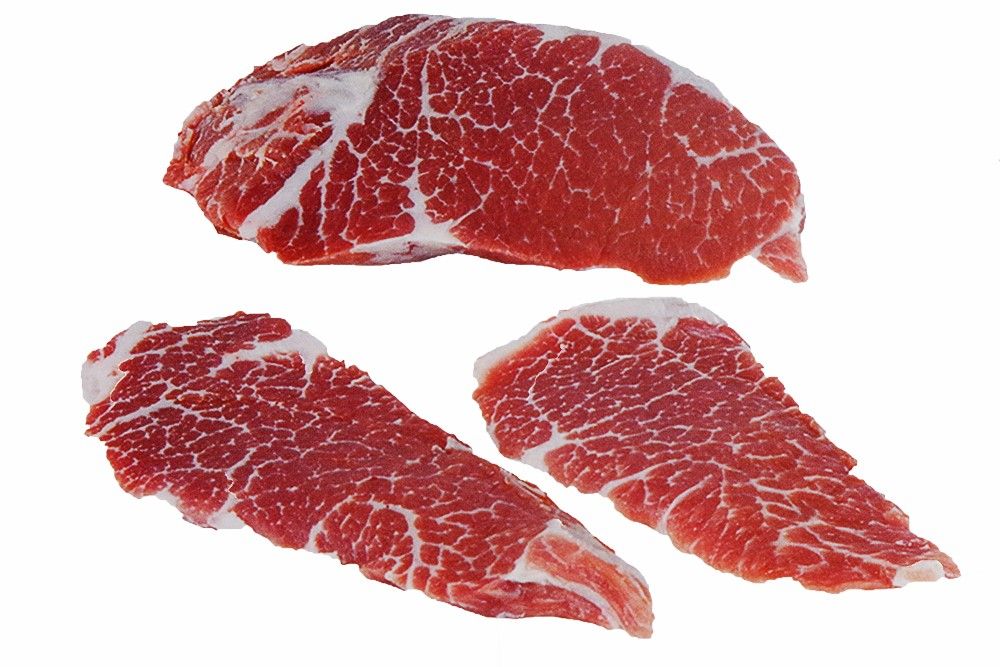
Presa
The Presa Ibérica is located next to the shoulder (paleta), in the upper front part of the loin. Two pieces of approximately half a kilo each are obtained from each animal. It is rounded, and it is highly recommended to cut it into slices.
If it is Presa Ibérica, it has a significant amount of intermuscular fat, which gives it its juiciness and flavor. Ideally, it should be grilled or cooked on a griddle, either marinated or natural with spices like turmeric, thyme, or black pepper. To fully appreciate the nuances of the meat, the simpler the preparation, the better.
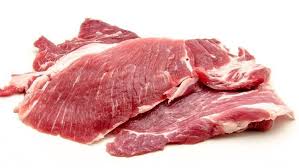
Secreto
For a long time, it went unnoticed, but today Secreto Ibérico is a highly coveted gourmet bite. It comes from an area close to the animal's shoulders, in what we could call "the armpit." It is pure butter in the mouth, extremely juicy due to the marbling of the meat. Unlike the Presa, it is a very flat and thin part, so it is recommended not to cut it before cooking.
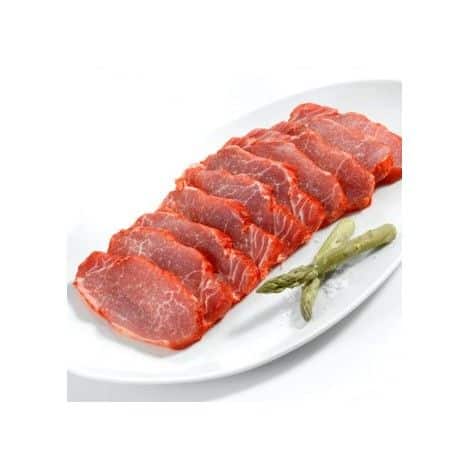
Lomo (Pork loin)
Extracted directly from the loin area, between the spine and under the ribs. The entire loin ribbon can be prepared as steaks or roasts, and it is also used to make Iberian cured loin (lomo ibérico), one of the least manipulated cured meats: it is only seasoned, stuffed, and cured for about two months.
At Enrique Tomás, we have it from the Duroc breed and also from white pigs raised with Galician chestnuts. It is excellent grilled, seared, in roquefort sauce, with black pepper, or with a lemon sauce.
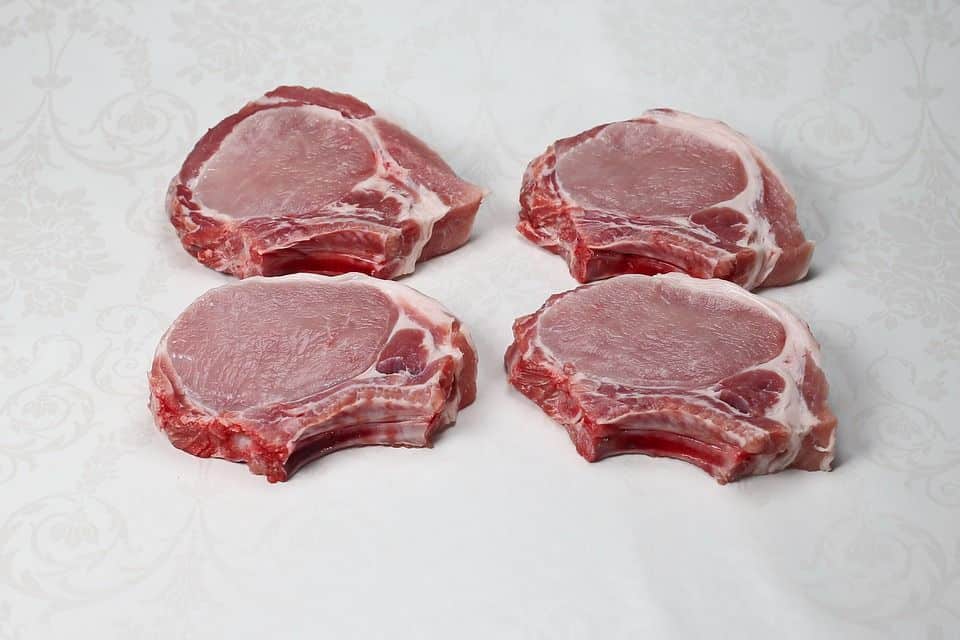
Chuletas (Pork chops)
The chop is essentially the loin with the bone attached, which provides extra cartilage and fat. In Iberian pork chops, this additional fat contribution will bring even more juiciness to the palate. They taste best when grilled, without overcooking them, and seasoned with a little thyme and pepper.
Pluma
The Pluma is located just before the loin: an area of the pig with a lot of flavor, highly appreciated by those who know the Iberian cuts well.
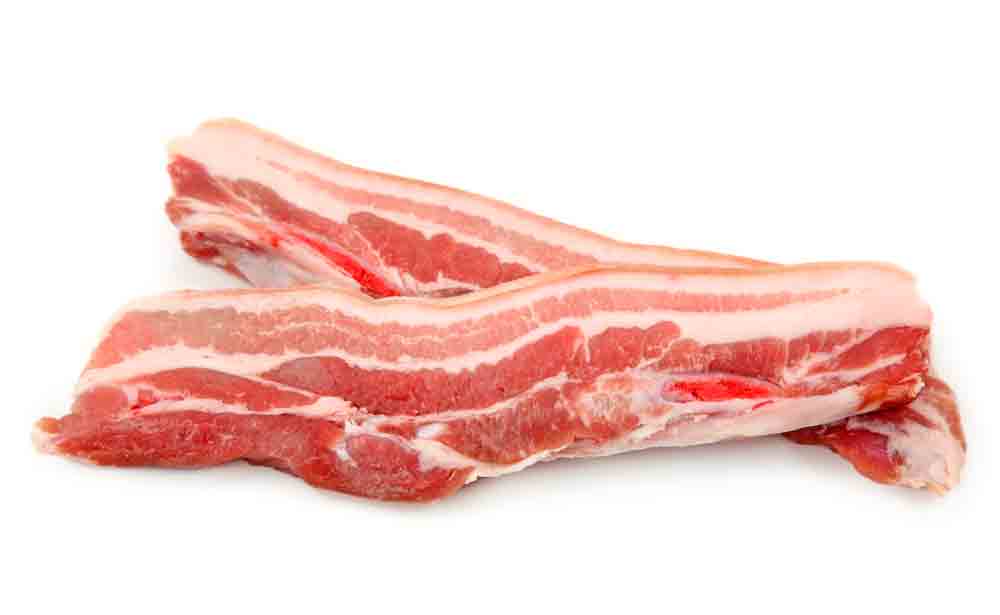
Panceta (Pork belly)
The star of any barbecue, it is obtained from the layers under the pig's skin. Quite thick, it is used in stews or baked rice dishes. Grilled and served with bread and alioli... it will make your mouth water! Note: there are many differences between fatback (tocino) and pork belly (panceta), so make sure not to confuse them.
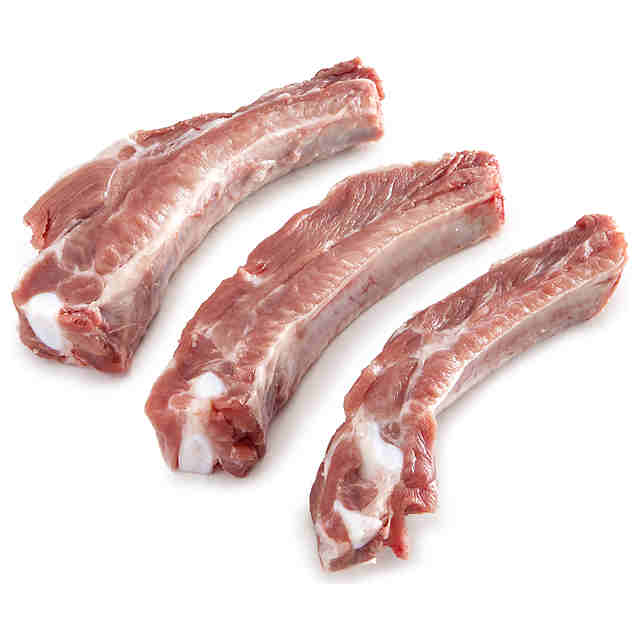
Costillas (Pork ribs)
An ideal dish for the barbecue. Marinated American-style as spare ribs with BBQ sauce or in a Chinese-style sweet and sour sauce, you'll be licking your fingers! In Spain, they are usually included in stews or simply grilled with salt.
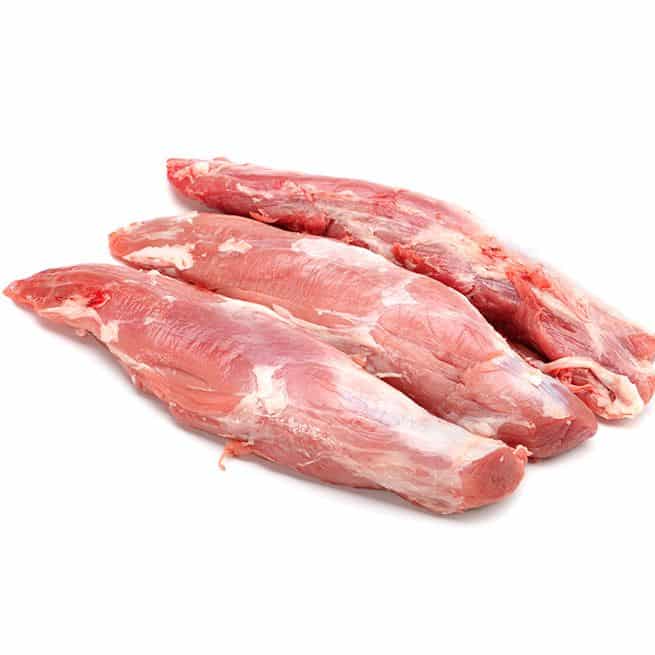
Solomillo (Pork sirloin / Tenderloin)
One of the leanest and most tender pieces, and if it's Iberian, it's even juicier due to the infiltrated fat. An elongated and rounded piece from the upper rear part. It can be baked with thyme, mint, and garlic, or cut into medallions stewed in wine, in apple sauce, or with pearl onions and chestnuts. The possibilities are endless!
Jamones (Hams)
The star product of Spanish gastronomy. They are produced from the hind legs of Iberian pigs and are much juicier than those from white pigs thanks to the infiltration of fat into the muscle. There are three types depending on their diet: jamón de cebo ibérico, jamón de cebo de campo, or jamón de bellota 100% ibérico —the highest quality—. It is eaten raw with bread and olive oil or integrated into stews like lentils or croquettes.
Paletas or paletillas (Shoulders)
Cured meat from the front legs, with a more intense flavor than ham and a slightly shorter curing process. Slices of shoulder are eaten in sandwiches or used in stews. At Enrique Tomás, you can buy premium quality Iberian paletas.
Other pork cuts
We're not done yet! Absolutely all parts of the pig are used up. Here are other pieces that are well worth knowing and trying.
Papada (Jowl)
Basically fat, it is a very juicy area. As its name indicates, it is the part that hangs from the animal's face.
Carrillera (Cheek)
It corresponds to the jaw. With a lot of muscle and intramuscular fat, it melts in your mouth.
Morro (Snout)
Meat from the head, served roasted as a tapa. Very crispy and easy to find in bars across Spain.
Orejas (Ears)
Cartilaginous texture. Cut into small cubes, boiled, and seasoned, they make a delicious tapa that many discover and can't stop eating.
Lengua (Tongue)
A gelatinous piece. The best way to enjoy its flavor is to prepare it stewed. It is also found as cold meat.
Aguja (Chuckle / Neck loin)
Upper part of the neck, very juicy thanks to the thin layers of fat. As aguja steaks, they are absolutely delicious!
Manitas (Trotters / Pig's feet)
Very typical in Catalan cuisine. Gelatinous texture, perfect in stews or on their own as a main dish.
Rabo (Tail)
A unique dish or accompaniment in stews. Fried, it is an absolute delicacy. Its gelatinous texture adds a lot of flavor.
Sangre (Blood)
It is used for cured sausages like morcilla (blood sausage) and black butifarra. In Galicia, they make blood filloas, which are delicious crepes.
Criadillas (Testicles)
For the less squeamish. They are recommended cooked in their own juices. Whoever tries them almost always repeats.
Seso (Brains)
Fried, grilled, or battered. The same goes for criadillas: whoever dares to try them, repeats. There must be a reason.
Which other pork pieces should you absolutely try?
In addition to all the mentioned cuts, there are two other equally delicious pieces. They are not cuts strictly speaking, but are produced by mixing meats from different parts of the Iberian pig and seasoning them with spices.
Chorizo
Seasoned with red paprika. An essential ingredient in lentils, fabada, and many traditional stews. It can be eaten raw or cooked.
Salchichón
Seasoned with black pepper. Just like ham and shoulders, it is enjoyed both raw and integrated into stews.
Now that you know which are the best parts of the Iberian pig... which one are you going to try next?